
Exploring Finnish Cuisine
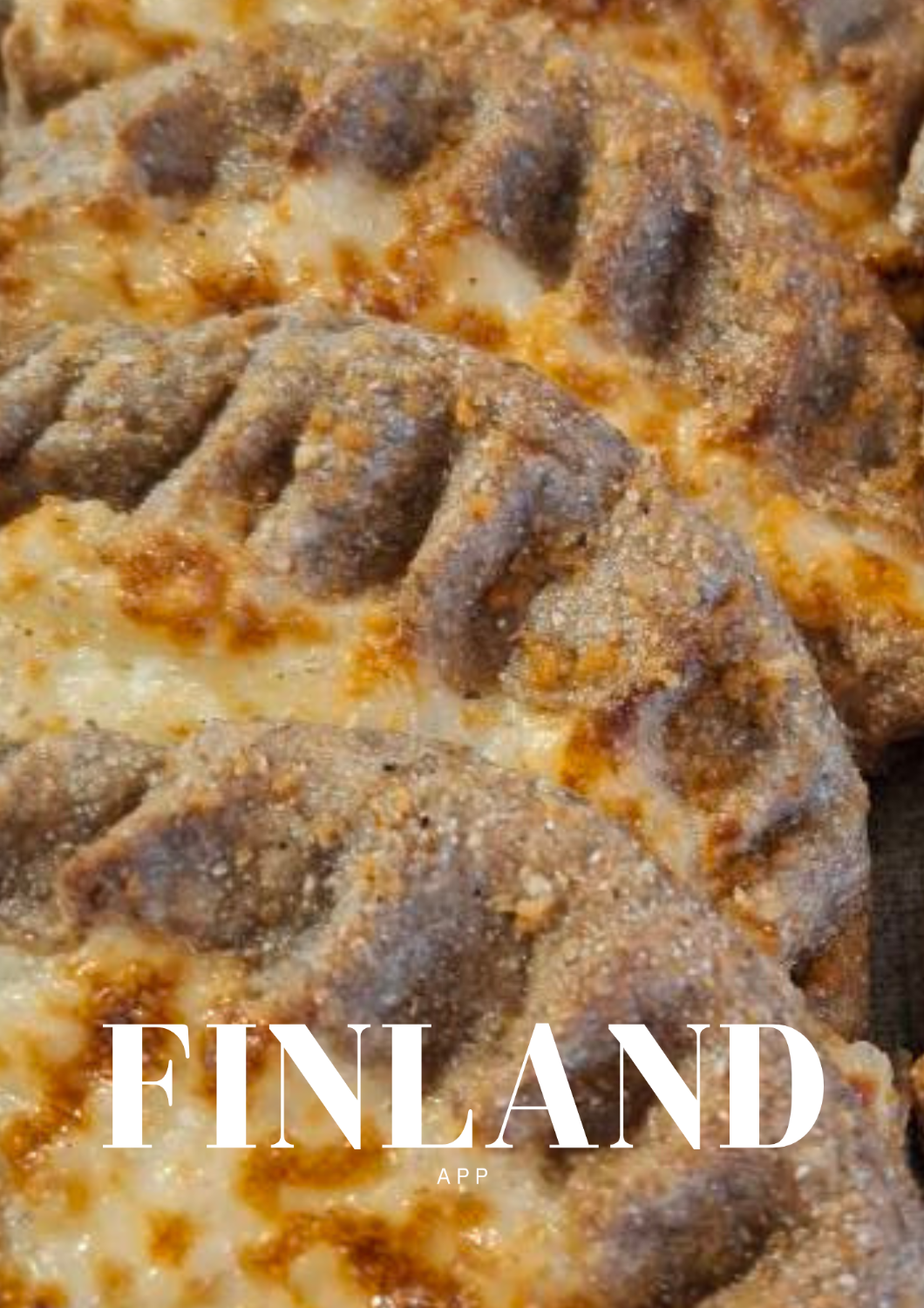
Exploring Finnish Cuisine and Culinary Tradition
Finland is a country steeped in natural beauty, boasting vast forests, pristine lakes, and a rich cultural history. These elements are wonderfully reflected in its culinary landscape, which embraces local ingredients and traditional cooking methods. In this article, we delve into Finnish food and traditional dishes, while also examining the burgeoning sector of food tourism within the country.
The Essence of Finnish Food
Finnish cuisine is a distinctive blend of indigenous flavours and influences from neighbouring countries. Rooted deeply in the notion of "from farm to table," the culinary practices emphasise seasonal and locally sourced ingredients. Practically every dish tells a story of the land and its people, showcasing a commitment to sustainability and respect for nature.
At the heart of Finnish cuisine lies a cornucopia of natural elements. Berries like lingonberries, bilberries, and cloudberries are foraged from the wild and often feature in desserts or served alongside savoury dishes. Fish, especially salmon and vendace, plays a prominent role, with traditional preparation methods such as smoking and curing remaining popular. Moreover, Finland is known for its game dishes, utilising locally hunted moose and reindeer, reflecting the country's history and the strong connection between its people and the land.
Traditional Finnish Dishes
Finnish food offers a range of traditional dishes, many of which are cherished through generations. One of the most iconic is Karjalanpiirakka or Karelian pasties; these rye crust pastries are filled with rice porridge or potato, often adorned with a spread made of butter and boiled egg. Another beloved dish is Ruisleipä, or rye bread, which often serves as an essential part of the Finnish diet, known for its dense texture and rich flavour.
Lihapullat, or Finnish meatballs, are also a staple. Typically made from a mixture of beef and pork, these hearty meatballs are served with mashed potatoes and lingonberry sauce. On the sweeter side, Pulla, a spiced sweet bread, offers a delightful taste of cardamom and is best enjoyed with coffee during traditional “kahvihetki,” or coffee time.
The Rise of Food Tourism
In recent years, Finland’s food tourism sector has gained traction, showcasing the growing interest in authentic culinary experiences. As travellers seek to understand the culture through its cuisine, food tours and local workshops have become popular ways to engage with Finnish food heritage. From foraging tours in the forests to cooking classes highlighting traditional recipes, food tourism allows participants to experience the textures, flavours, and stories of Finnish culinary practices.
Regions such as Lapland and the Archipelago Sea are increasingly becoming hotspots for such experiences. Local chefs and artisans strive to highlight indigenous ingredients, often creating unique dining experiences that reflect the spirit of the land. Restaurants are now focusing on the "New Nordic" movement, which promotes local, sustainable, and seasonal cooking, further enhancing Finland's culinary reputation on the global stage.
Conclusion
Finnish cuisine is a vibrant tapestry that marries nature’s bounty with cultural nuances. Traditional dishes encapsulate the essence of the Finnish lifestyle—simplicity, sustainability, and a deep respect for the environment. As food tourism flourishes in Finland, it opens doors for both locals and visitors to connect with history, tradition, and the rich flavours that this unique Nordic country has to offer. Exploring Finnish food not only satiates the hunger for authentic tastes but also nourishes a deeper understanding of Finland's identity through its culinary heritage.
Finland App| Media & Travel
🌏 Travel • Food • Culture • Lifestyle
📍 Curated by Finland App &Finland Magazine
📸 Digital Publisher&Social Media Expert
🌲 Discovering the essence of the North
👇Explore our Finland
🔗 finlandapp.fi | finlandmagazine.fi
News
Download now Apple Store and Google Play Finland App